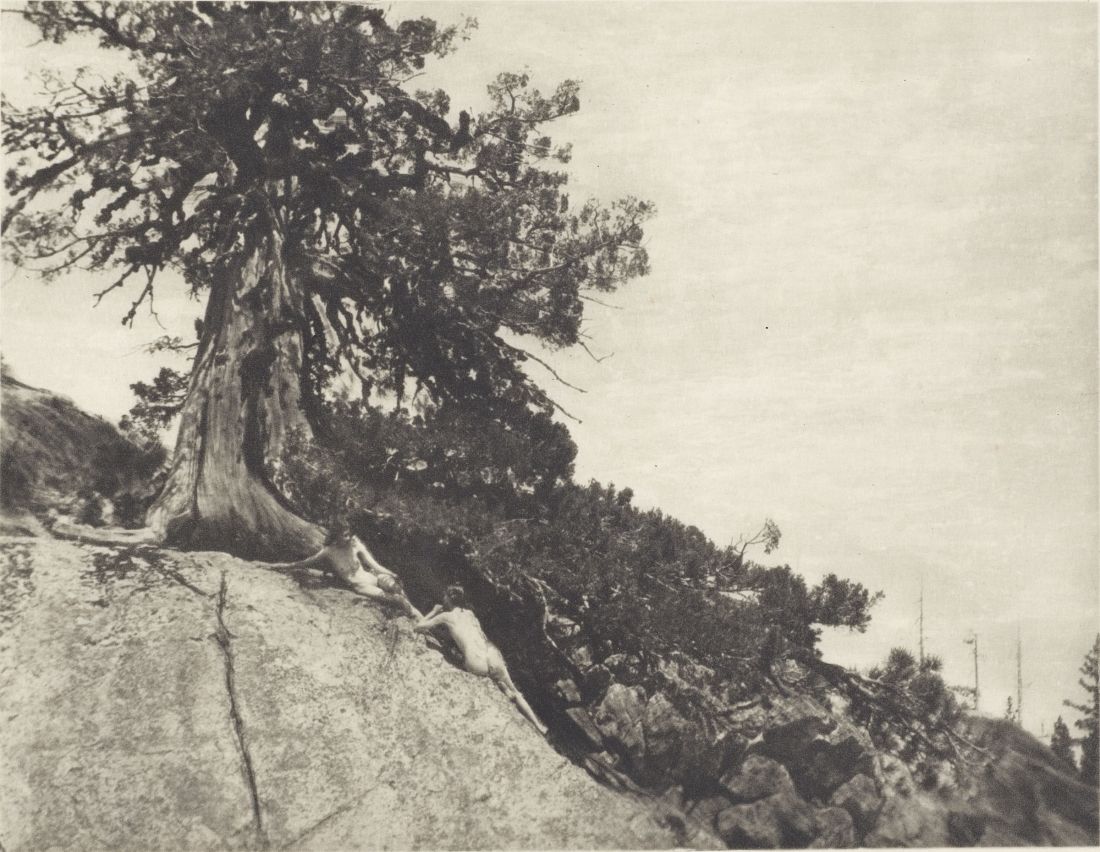
Born in the Arizona territory, Arthur Kales received a law degree from the University of California at Berkeley in 1903. While living in the Bay Area, he became interested in the burgeoning Pictorialist movement in photography that flourished there, and his images met with immediate success. Kales moved to Los Angeles to work in advertising but returned to San Francisco in 1917. In the following year, he nevertheless joined the Camera Pictorialists of Los Angeles. For fourteen years beginning in 1922, Kales wrote about Pictorialist photography in western America for the journal Photograms of the Year. [quoted from Getty museum]
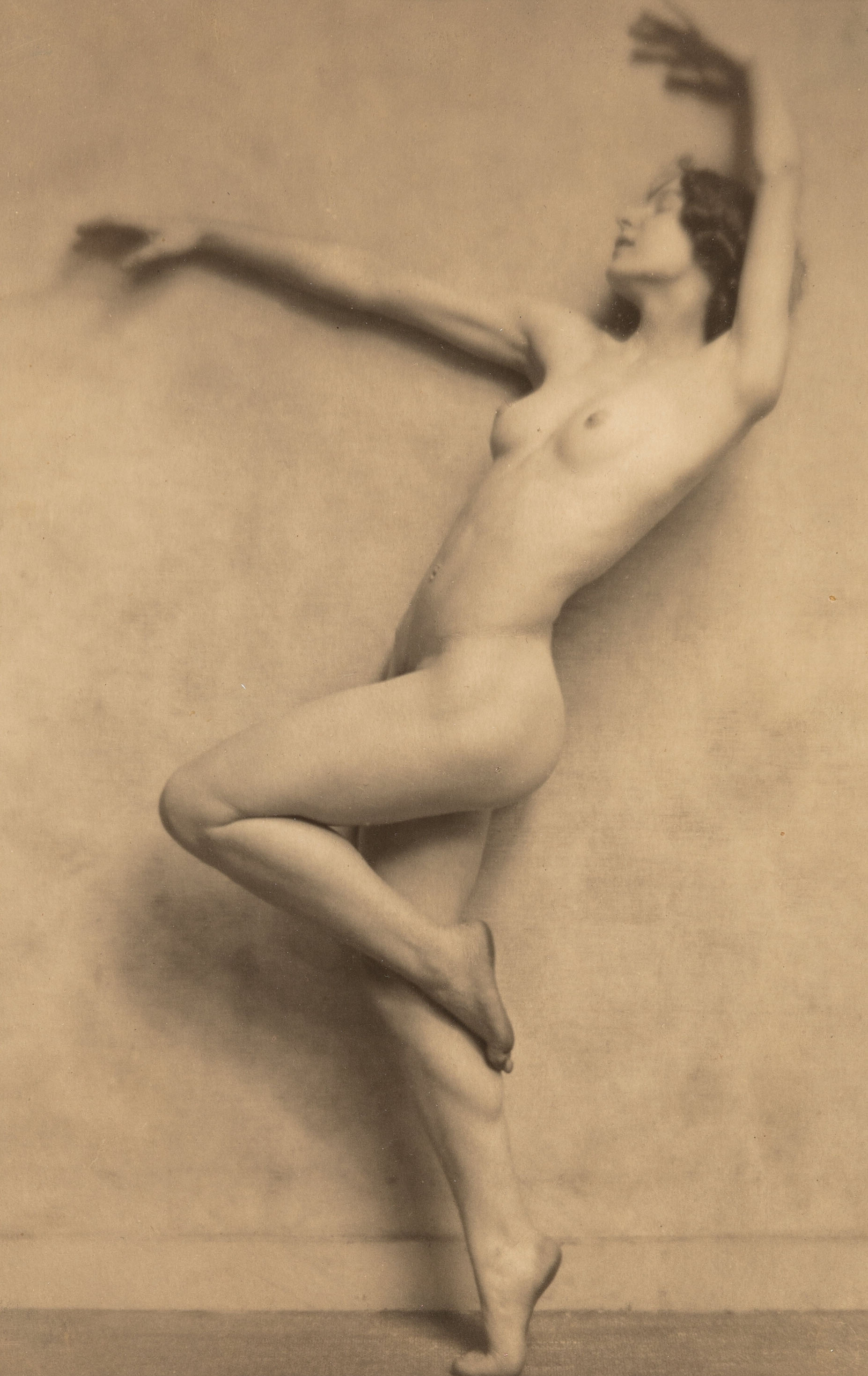
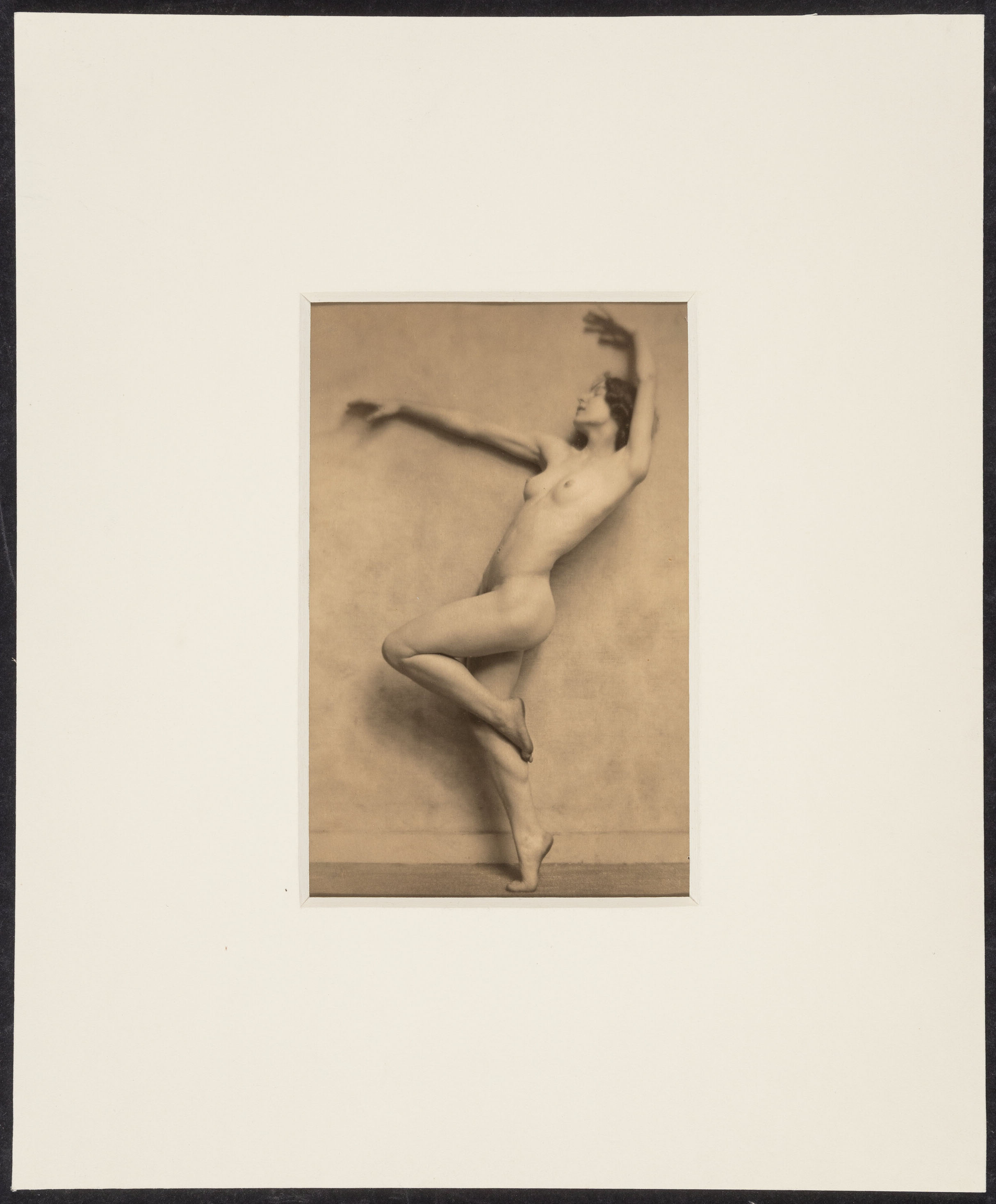
Arthur F. Kales (1881 – 1936) ~ Poster [female nude with big fan]. From Photograms of the Year, mid 1930s | src flickr
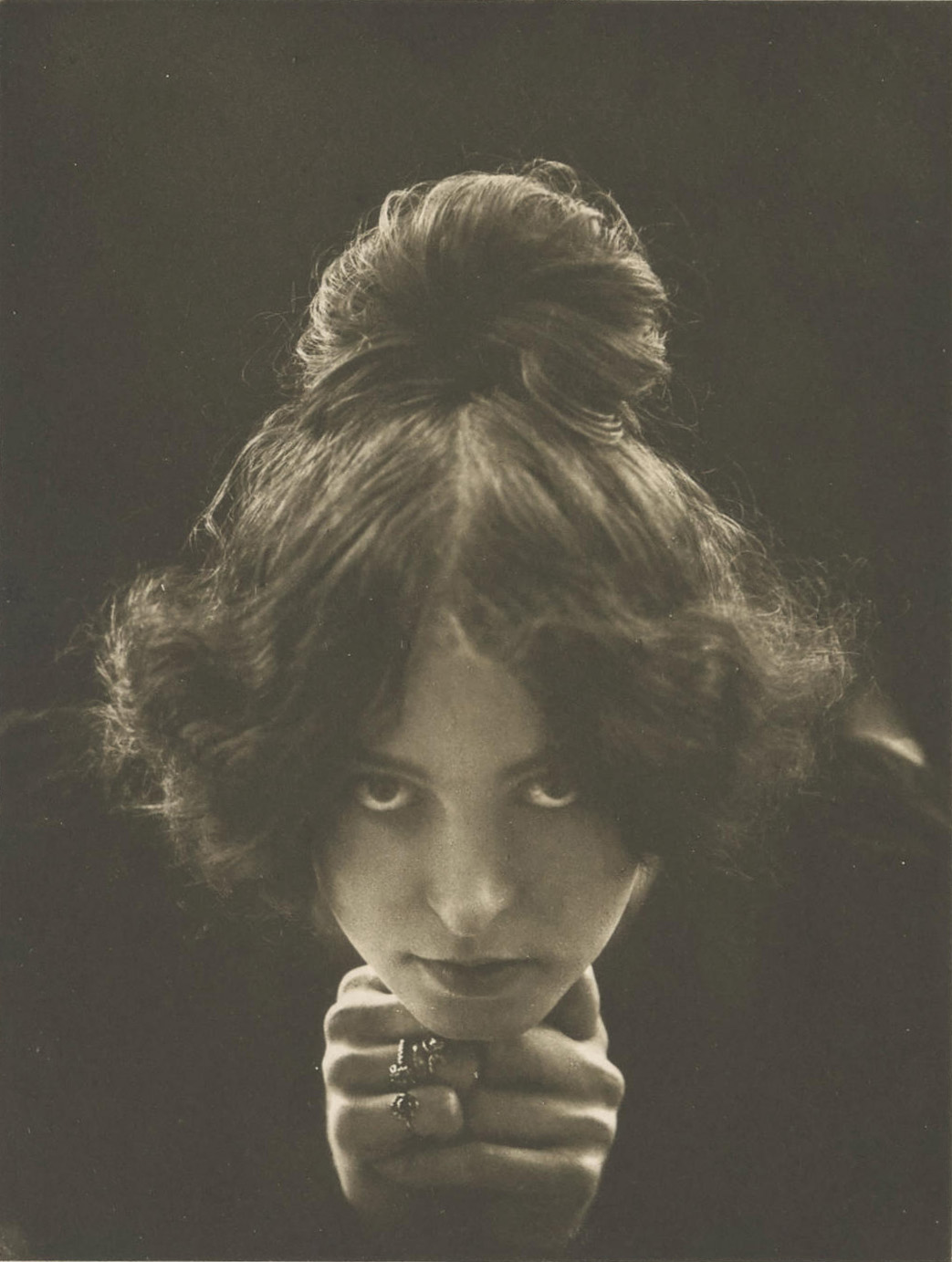
Stephanie Ludwig ~ Atelier Veritas :: Kätzchen [Kitten], 1901. Photogravure. Published in Die Kunst in der Photographie V-1901; printer: Atelier Meisenbach, Riffarth & Co. Stephanie Ludwig ~ Atelier Veritas :: Kätzchen [Kitten], 1901. Photogravure. Published in Die Kunst in der Photographie V-1901; printer: Atelier Meisenbach, Riffarth & Co. Stephanie Ludwig ~ Atelier Veritas :: Kätzchen [Kitten], 1901. Photogravure. Published in Die Kunst in der Photographie V-1901; printer: Atelier Meisenbach, Riffarth & Co. [Full size]
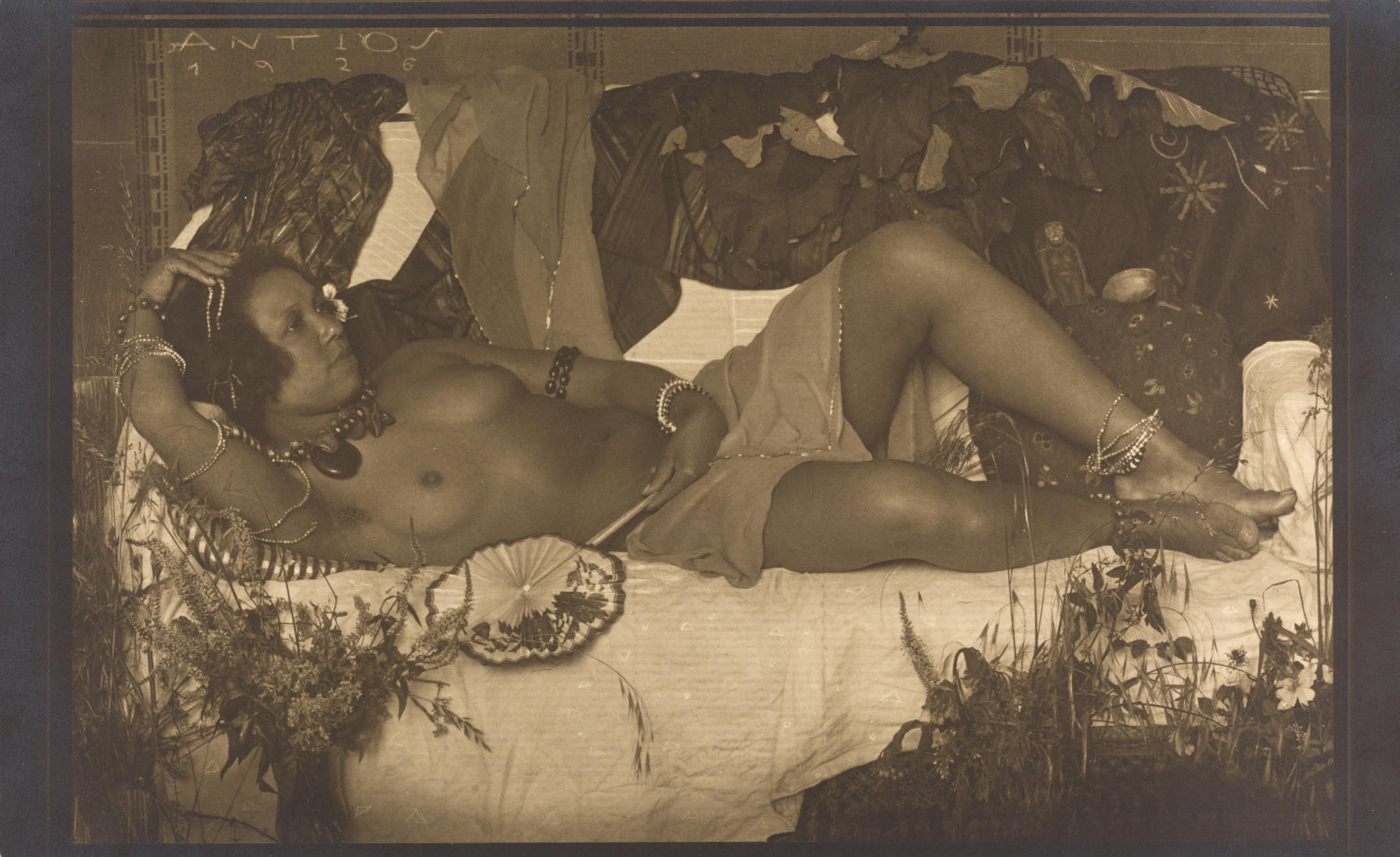
Anton Josef Trčka, Antios (1893–1940) :: ‘Aktstudie VI’, Vienna, 1926. Vintage brome-silver print, brown-toned, double-weight matte paper. Signed and dated by the photographer “ANTIOS 1926” in the negative upper left, handwritten annotation “Foto Ringwerkstaetten” and numbered “VI” in pencil on the reverse. | src Ostlicht photo auction Spring 2022Anton Josef Trčka (Antios) :: Liegender Akt VI (Reclining Nude VI), Vienna, 1926. Silver print, contact print, warm toned. Signed with pseudonym ‘Antios’ and dated 1926. | src MutualArt
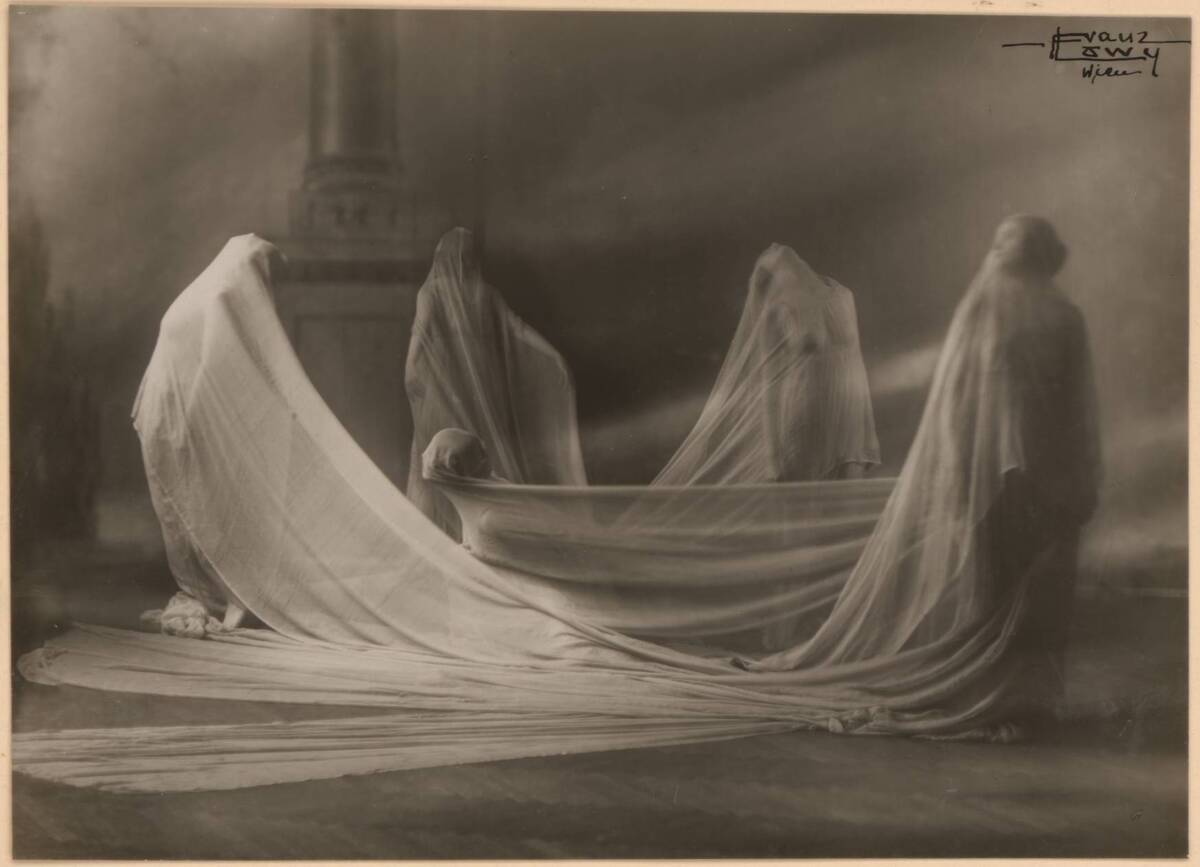
Franz Löwy :: Dance scene, from the “Exposition Internationale des Arts Décoratifs et Industriels Modernes” in Paris 1925 Fotografie einer Tanzaufnahme von Franz Löwy auf der “Exposition Internationale des Arts Décoratifs et Industriels Modernes” in Paris 1925 (vom Bearbeiter vergebener Titel) | src MAK – Museum für angewandte Kunst
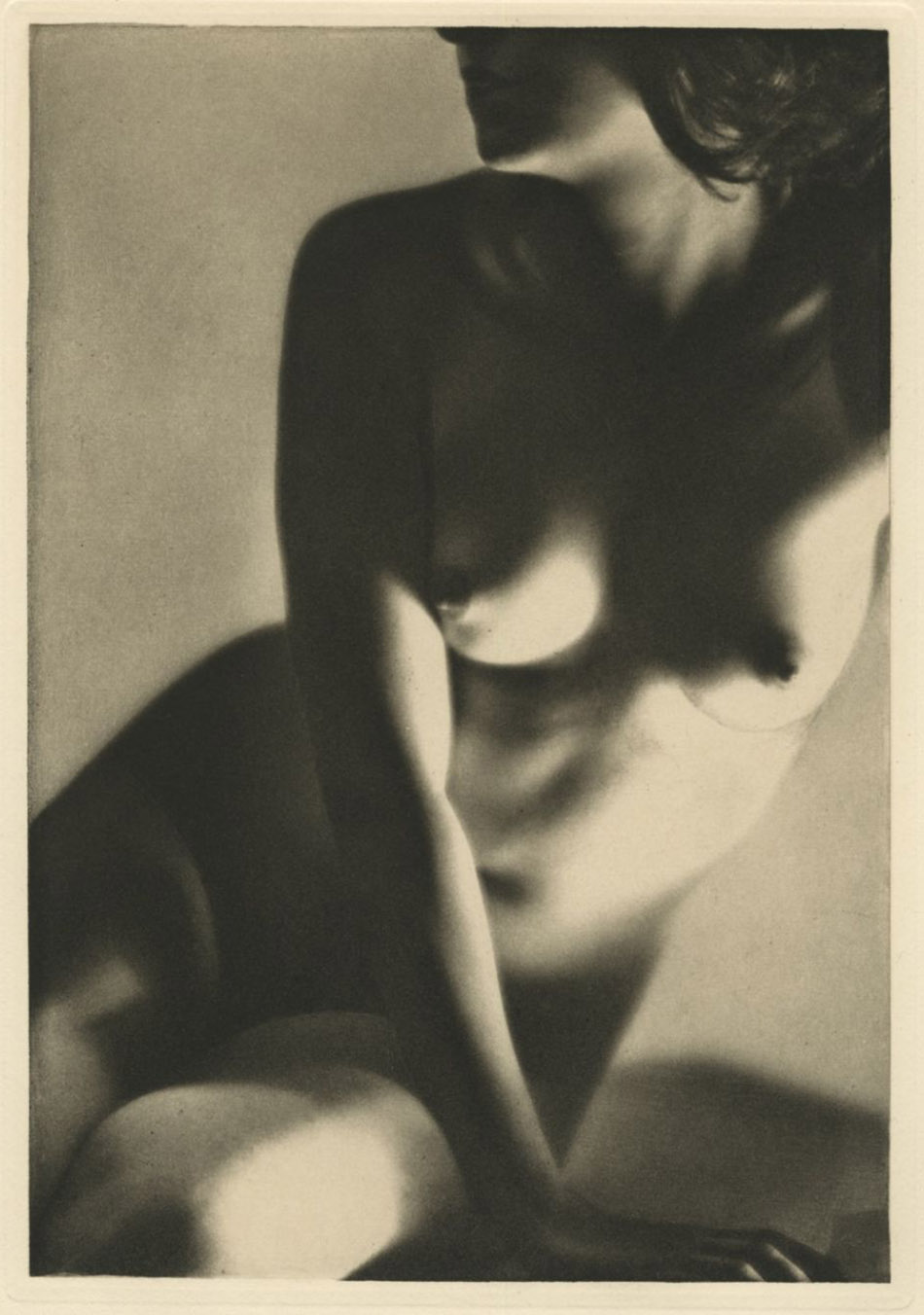
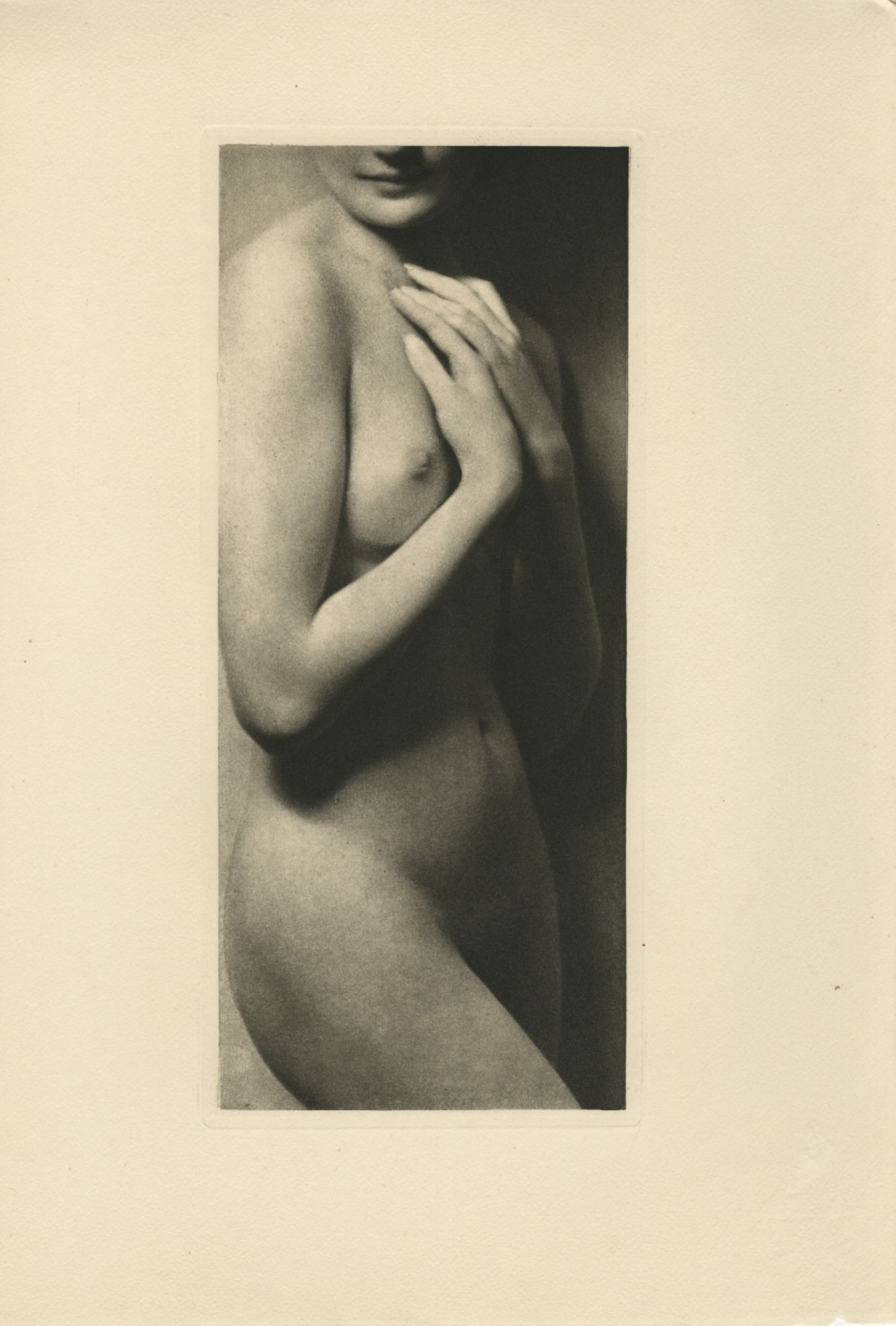
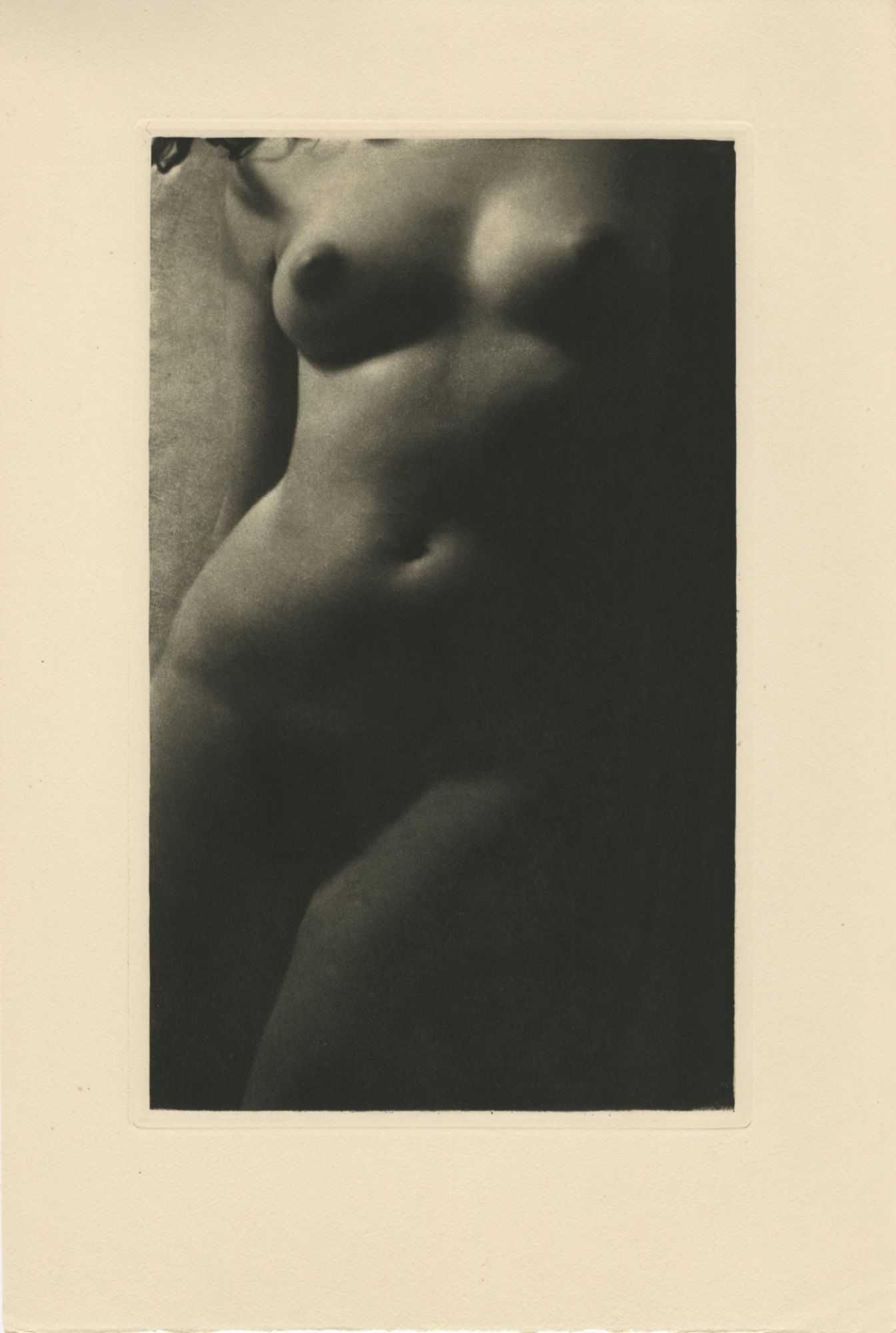
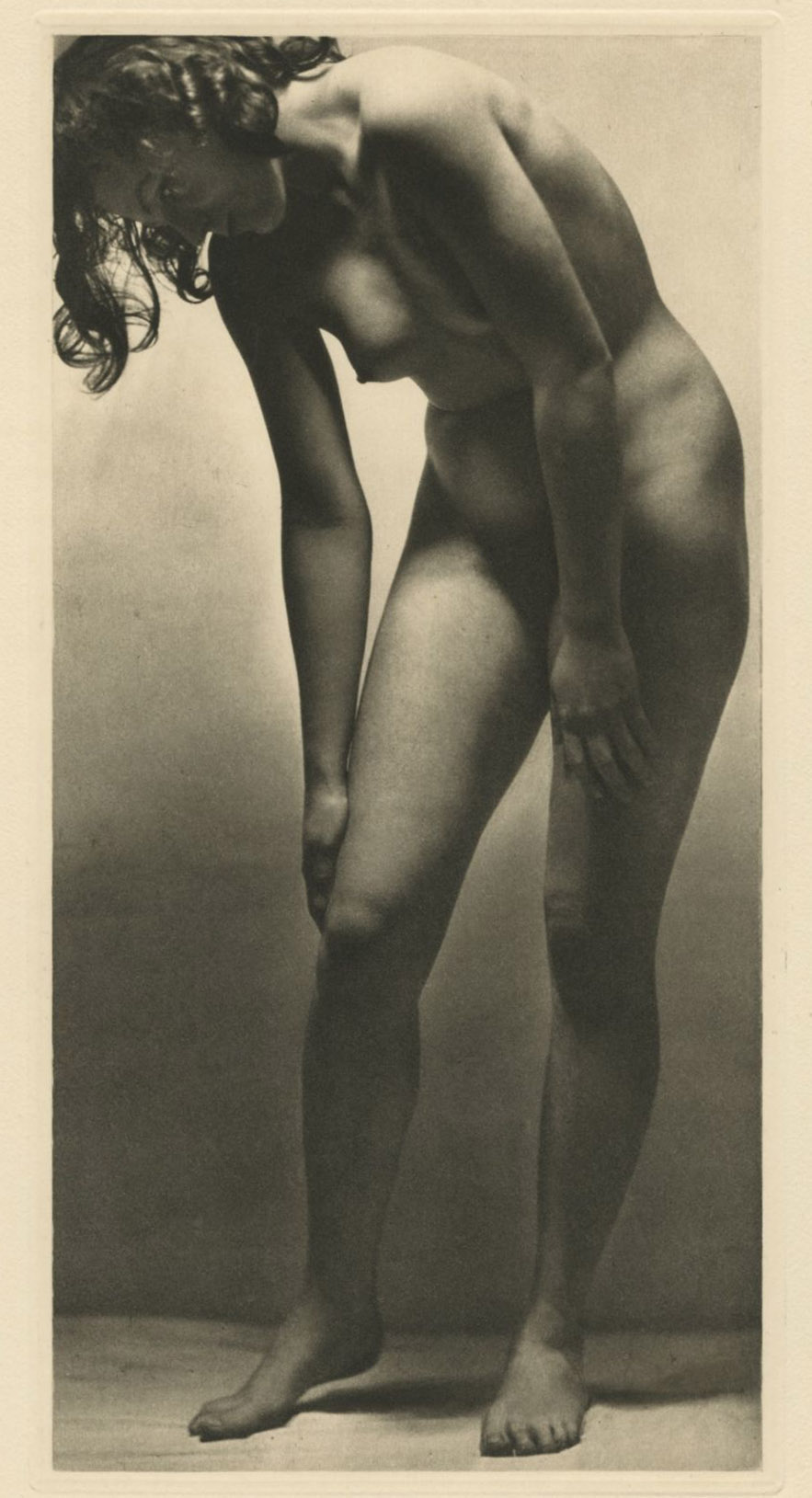
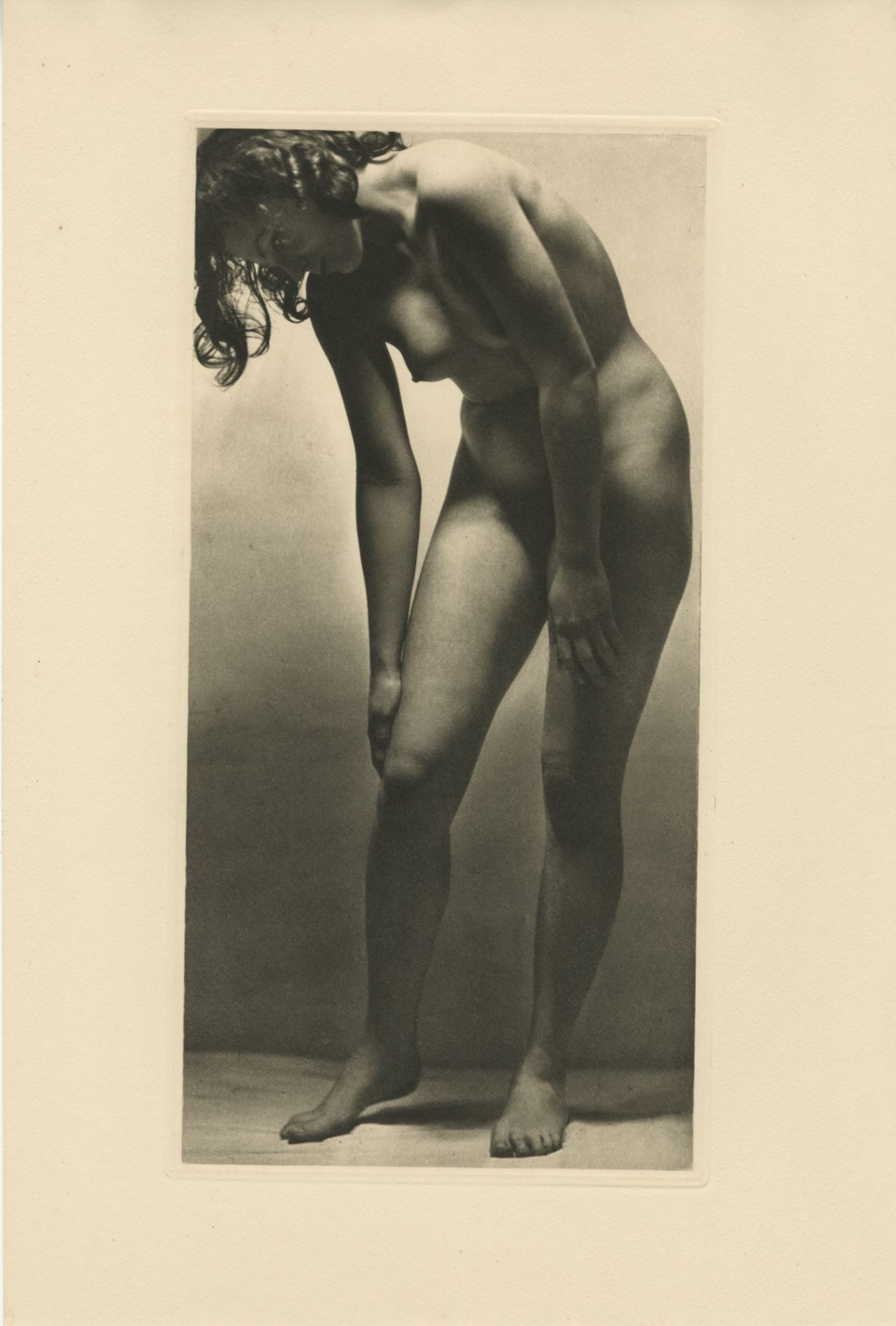
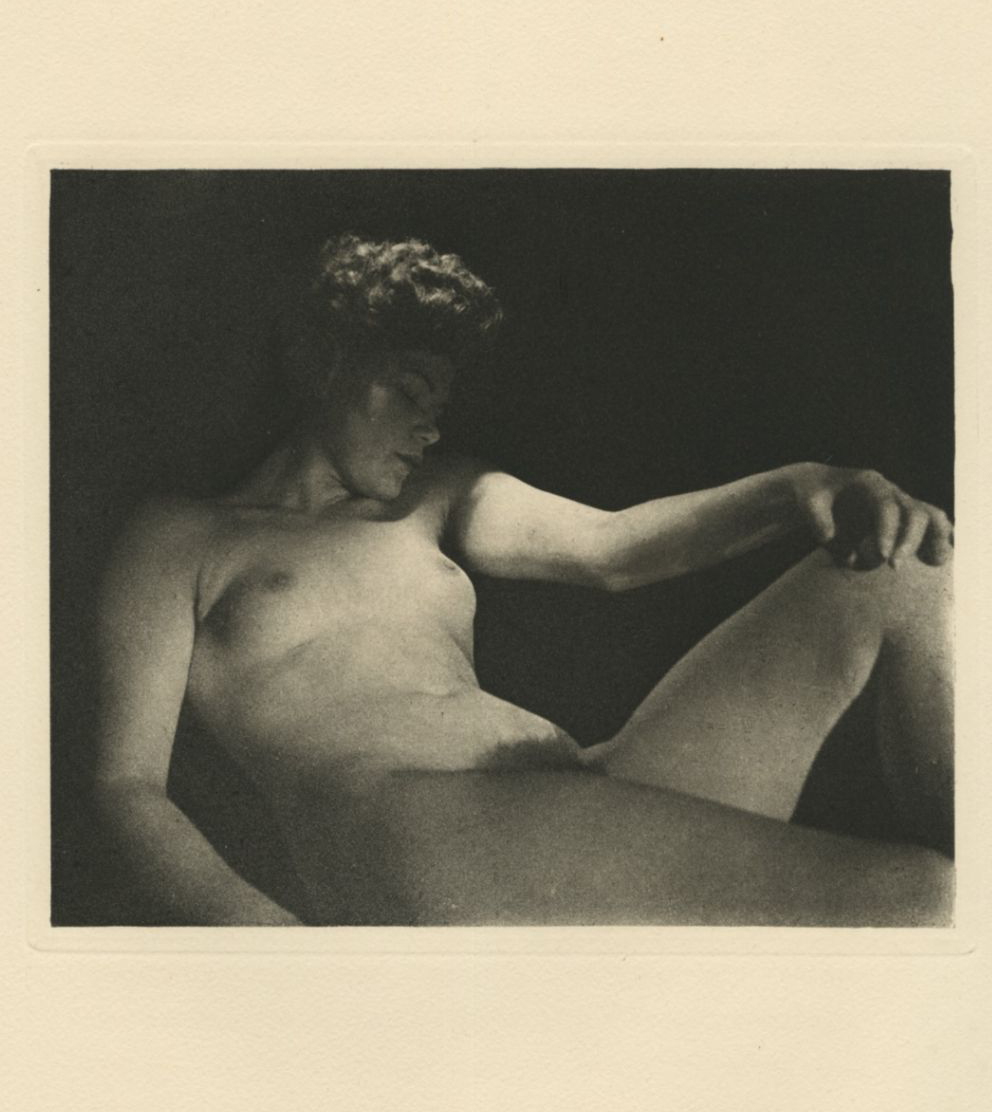
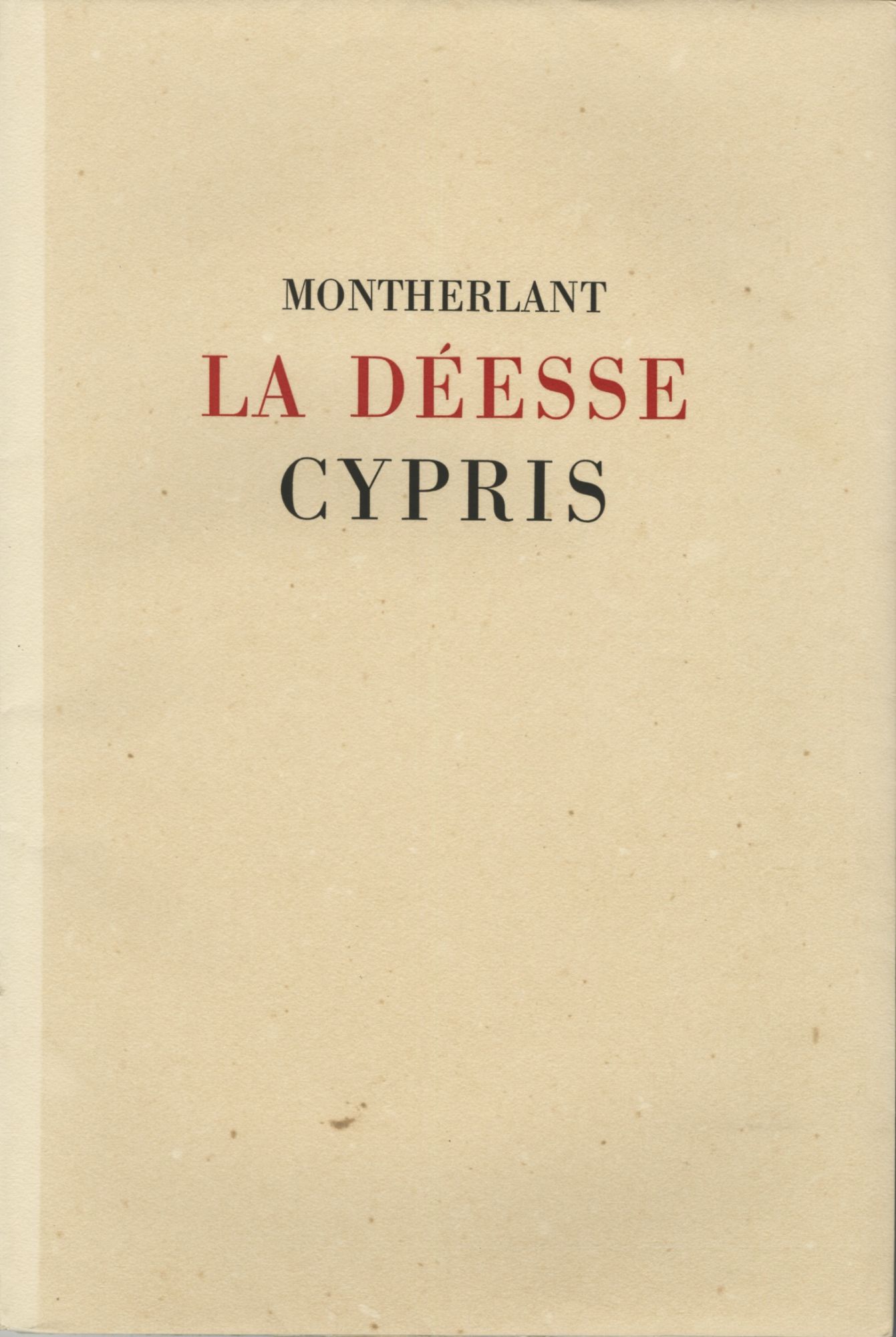
Laure Albin-Guillot :: Female nude, ca. 1932. Photograph from the book «La Deésse Cypris» by Henry de Montherlant, illustrated by Laure Albin-Guillot. Published by Henri Colas et Bordeaux, Rousseau Frères, Paris, 1946. | src Andrew Cahan Bookseller«La Deésse Cypris» by Henry de Montherlant, illustrated by Laure Albin-Guillot. Paris: Henri Colas, Éditeur; Bordeaux: Rousseau Frères, [1946]. Albin-Guillot, Laure. First edition. Folio, [42] pp., with 12 hand-pulled photogravures plates. | src Andrew Cahan BooksellerLaure Albin-Guillot :: Female nude, ca. 1932. Photograph from the book «La Deésse Cypris» by Henry de Montherlant, illustrated by Laure Albin-Guillot. Published by Henri Colas et Bordeaux, Rousseau Frères, Paris, 1946. | src Andrew Cahan Bookseller«La Deésse Cypris» by Henry de Montherlant, illustrated by Laure Albin-Guillot. Paris: Henri Colas, Éditeur; Bordeaux: Rousseau Frères, [1946]. Albin-Guillot, Laure. First edition. Folio, [42] pp., with 12 hand-pulled photogravures plates. | src Andrew Cahan BooksellerLaure Albin-Guillot :: Female nude, ca. 1932. Photograph from the book «La Deésse Cypris» by Henry de Montherlant, illustrated by Laure Albin-Guillot. Published by Henri Colas et Bordeaux, Rousseau Frères, Paris, 1946. | src Andrew Cahan Bookseller«La Deésse Cypris» by Henry de Montherlant, illustrated by Laure Albin-Guillot. Paris: Henri Colas, Éditeur; Bordeaux: Rousseau Frères, [1946]. Albin-Guillot, Laure. First edition. Folio, [42] pp., with 12 hand-pulled photogravures plates. | src Andrew Cahan BooksellerLaure Albin-Guillot :: Female nude, ca. 1932. Photograph from the book «La Deésse Cypris» by Henry de Montherlant, illustrated by Laure Albin-Guillot. Published by Henri Colas et Bordeaux, Rousseau Frères, Paris, 1946. | src Andrew Cahan Bookseller«La Deésse Cypris» by Henry de Montherlant, illustrated by Laure Albin-Guillot. Paris: Henri Colas, Éditeur; Bordeaux: Rousseau Frères, [1946]. Albin-Guillot, Laure. First edition. Folio, [42] pp., with 12 hand-pulled photogravures plates. | src Andrew Cahan BooksellerLaure Albin-Guillot :: Female nude, ca. 1932. Photograph from the book «La Deésse Cypris» by Henry de Montherlant, illustrated by Laure Albin-Guillot. Published by Henri Colas et Bordeaux, Rousseau Frères, Paris, 1946. | src Andrew Cahan Bookseller«La Deésse Cypris» by Henry de Montherlant, illustrated by Laure Albin-Guillot. Paris: Henri Colas, Éditeur; Bordeaux: Rousseau Frères, [1946]. Albin-Guillot, Laure. First edition. Folio, [42] pp., with 12 hand-pulled photogravures plates. | src Andrew Cahan BooksellerLaure Albin-Guillot :: Female nude, ca. 1932. Photograph from the book «La Deésse Cypris» by Henry de Montherlant, illustrated by Laure Albin-Guillot. Published by Henri Colas et Bordeaux, Rousseau Frères, Paris, 1946. | src Andrew Cahan Bookseller«La Deésse Cypris» by Henry de Montherlant, illustrated by Laure Albin-Guillot. Paris: Henri Colas, Éditeur; Bordeaux: Rousseau Frères, [1946]. Albin-Guillot, Laure. First edition. Folio, [42] pp., with 12 hand-pulled photogravures plates. | src Andrew Cahan BooksellerLaure Albin-Guillot :: Female nude, ca. 1932. Photograph from the book «La Deésse Cypris» by Henry de Montherlant, illustrated by Laure Albin-Guillot. Published by Henri Colas et Bordeaux, Rousseau Frères, Paris, 1946. | src Andrew Cahan Bookseller«La Deésse Cypris» by Henry de Montherlant, illustrated by Laure Albin-Guillot. Paris: Henri Colas, Éditeur; Bordeaux: Rousseau Frères, [1946]. Albin-Guillot, Laure. First edition. Folio, [42] pp., with 12 hand-pulled photogravures plates. | src Andrew Cahan Bookseller«La Deésse Cypris» Front cover by Henry de Montherlant, illustrated by Laure Albin-Guillot. Paris: Henri Colas, Éditeur; Bordeaux: Rousseau Frères, [1946]. Albin-Guillot, Laure. First edition. Folio, [42] pp., with 12 hand-pulled photogravures plates. | src Andrew Cahan Bookseller
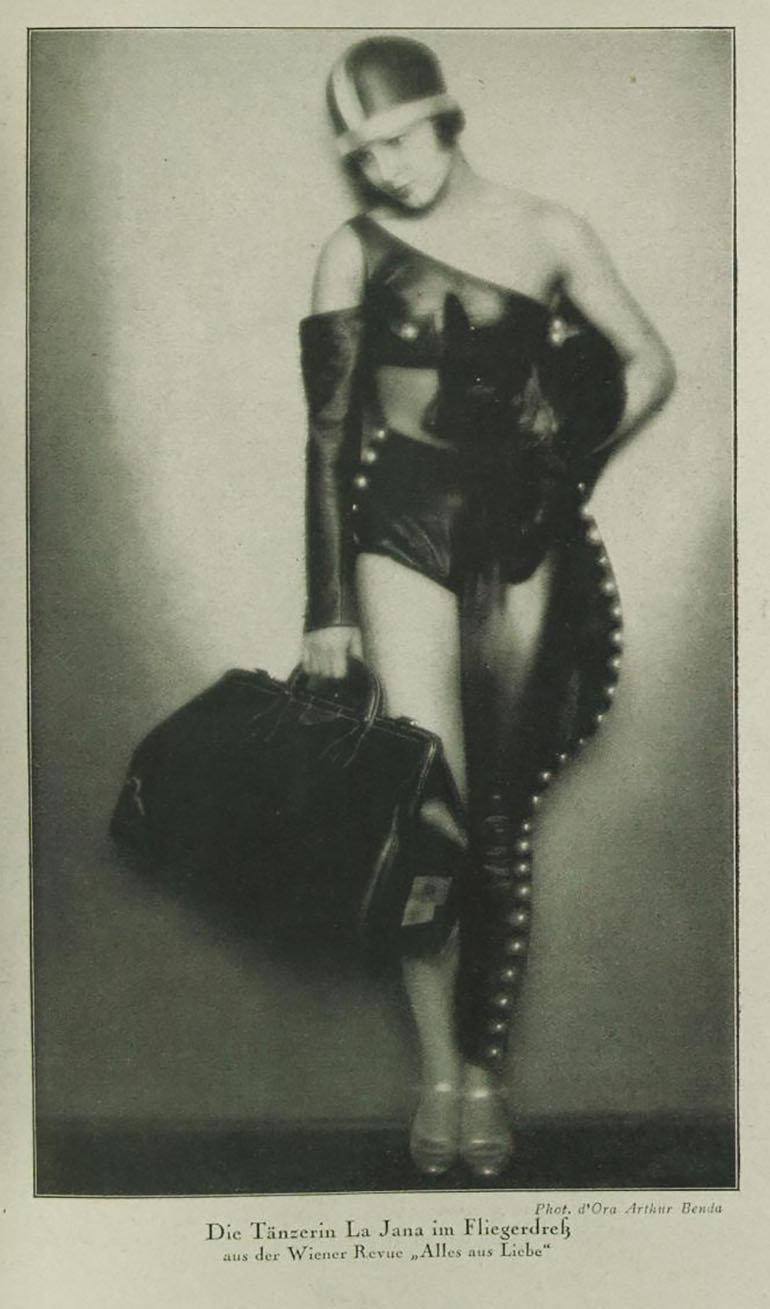
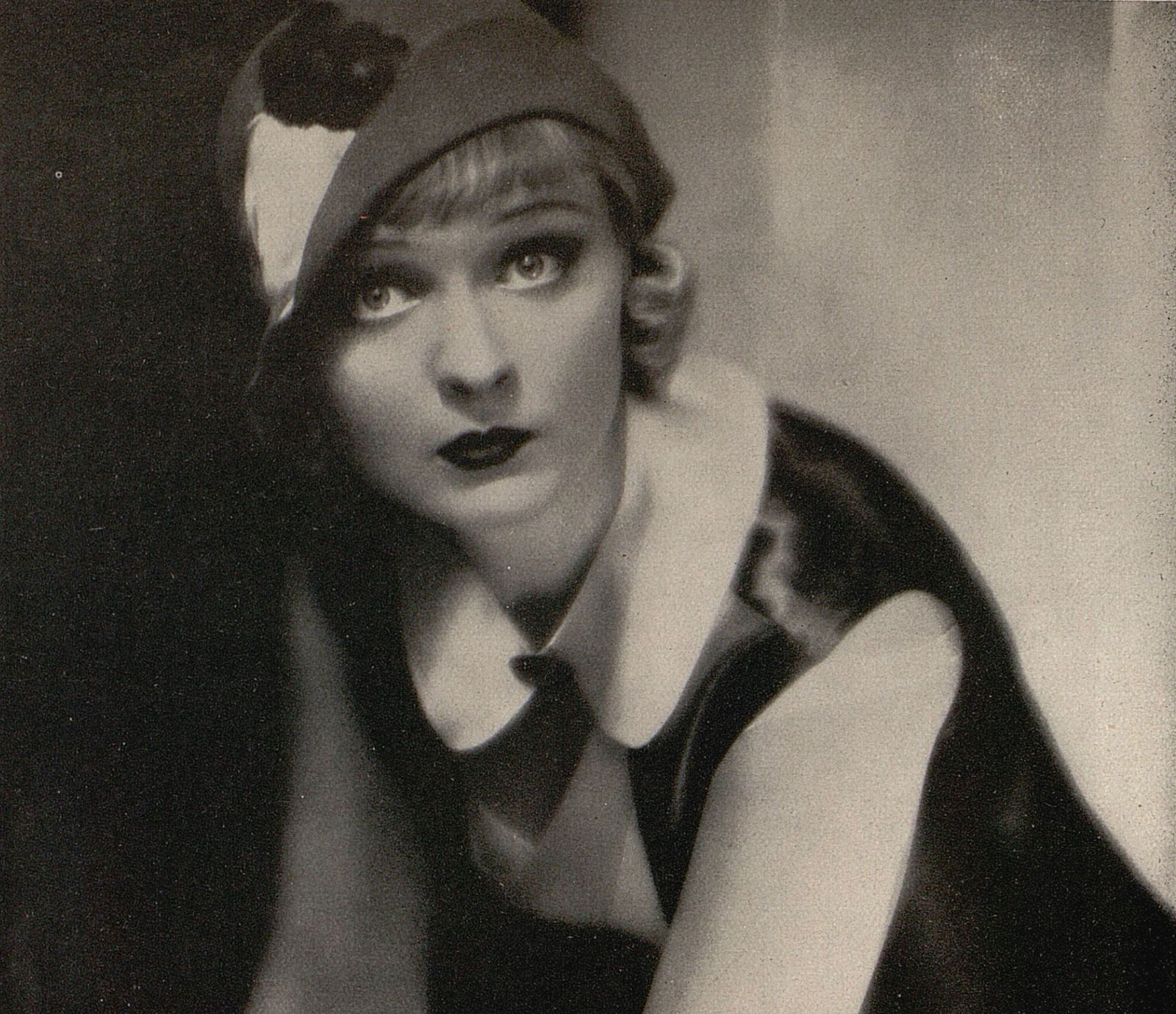
Arthur Benda (Aterlier d’Ora) ~ Die Tänzerin La Jana [Henriette Hiebel; Jenny Hiebel] im Fliegerdreß aus der Wiener Revue Alles aus Liebe. UHU B.4 H.4, Januar 1928
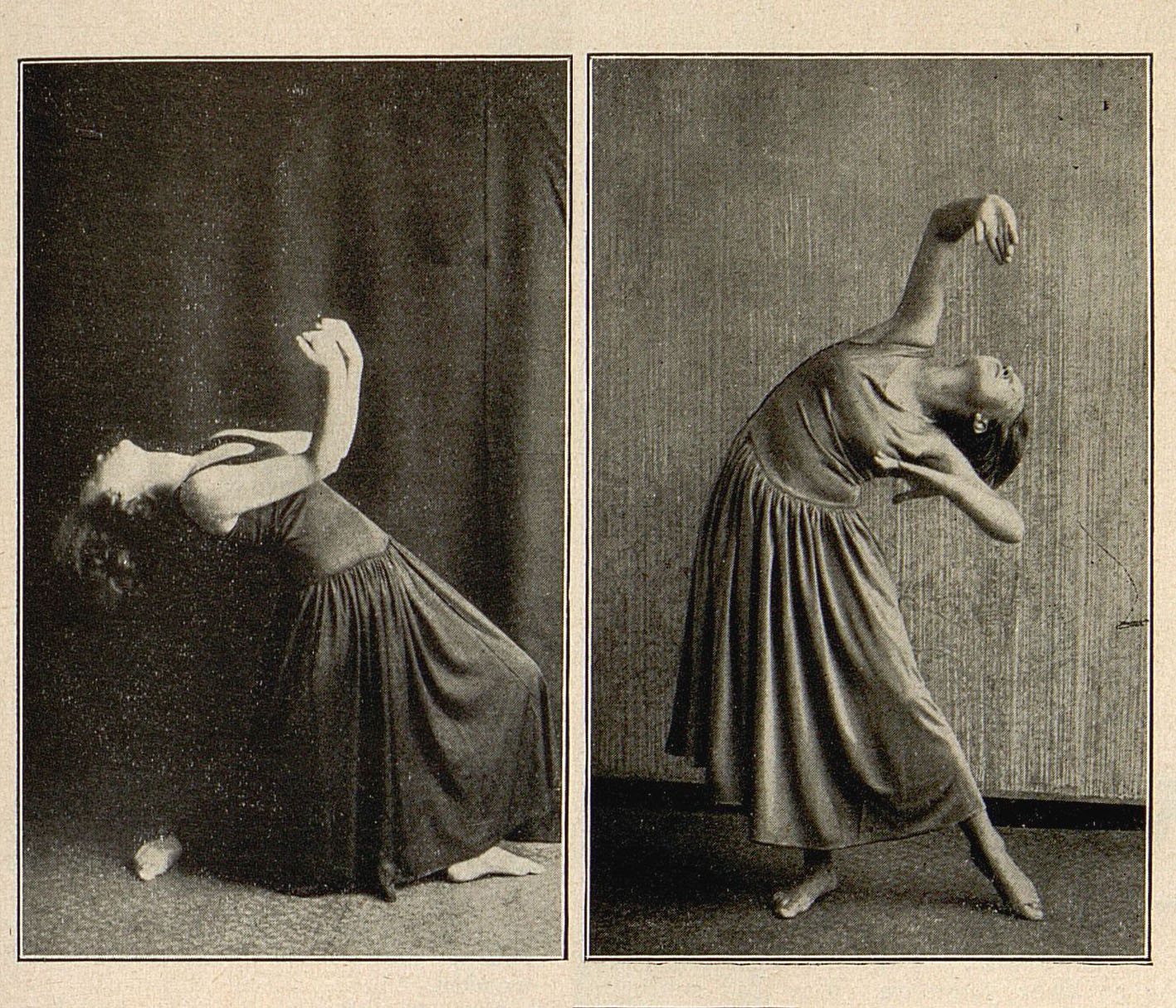
Bund für angewandte und freie Bewegung in München (Mensendiecksystem). Die schöne Frau, Nr. 8, 1928 | src ÖNBGruppenstudie. Bund für angewandte und freie Bewegung. Die schöne Frau, Nr. 8, 1928 | src ÖNBSpannungsstudie. Bund für angewandte und freie Bewegung. Die schöne Frau, Nr. 8, 1928 | src ÖNBBund für angewandte und freie Bewegung. Die schöne Frau, Nr. 8, 1928 | src ÖNB
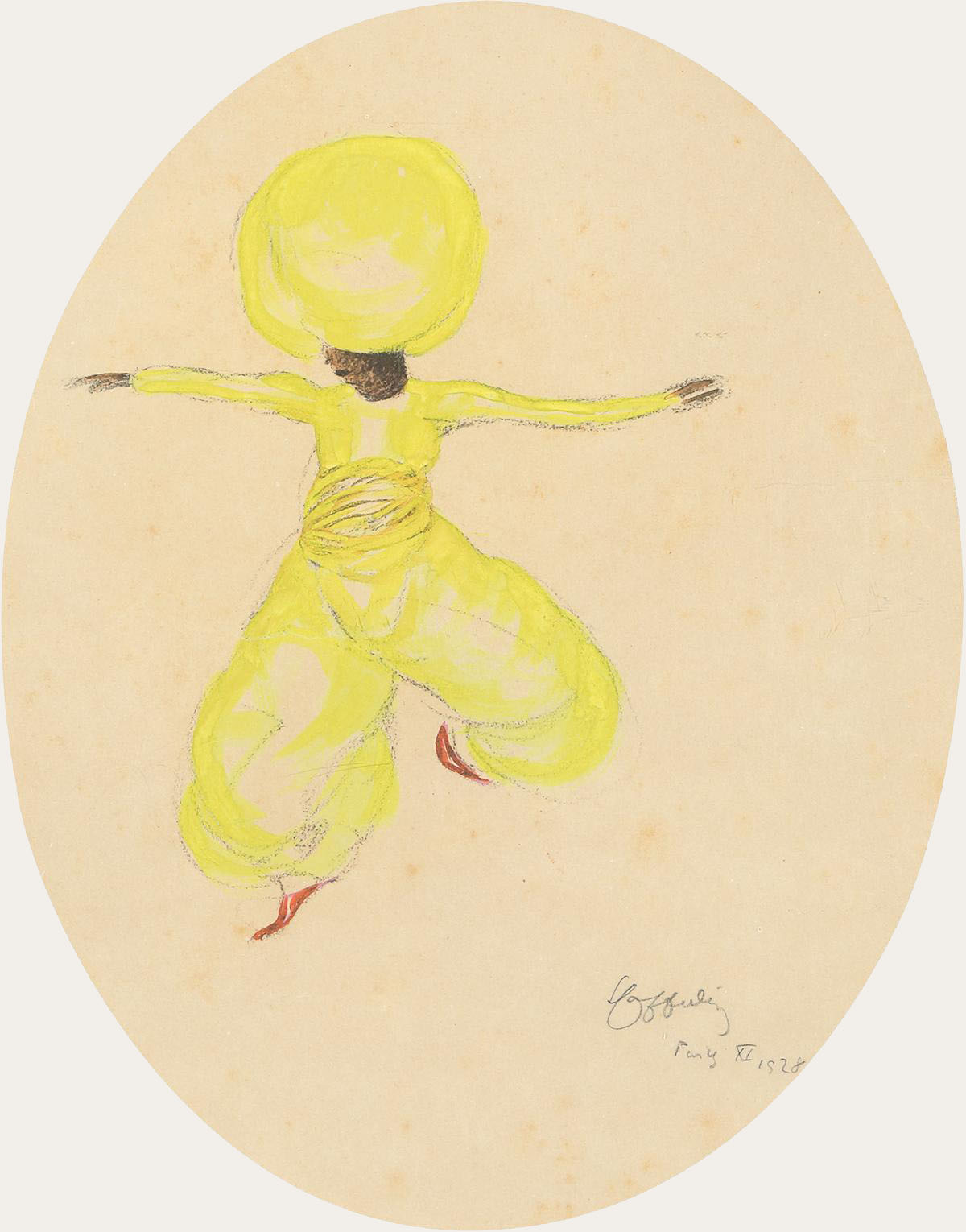
Leonetto Cappiello (1875-1942) ~ A dancer in motion wearing a futuristic headpiece and billowing wide pants, 1928. Watercolor and pencil drawing | src invaluableLeonetto Cappiello (1875-1942) ~ Folies Bergere poster, 1900s | src RetroGraphik
Leonetto Cappiello: The Father of Modern Advertising Poster
Leonetto Cappiello (1875 – 1942) was an Italian poster artist who lived much of his life in Paris, France. With no formal training in art, he emerged as one of the leading Italian artist and caricaturist in Paris that eventually succeeded the other famous lithographers such as Henri Toulouse-Lautrec (1864-1901), Jules Cheret (1836-1932) and Alphonse Mucha (1860-1939) as the leading advertising poster designer in Paris.
Talented Cappiello started his arts career as a caricature artist in 1896 illustrating for French journals like Le Rire, Le Cri de Paris, Le Sourire, L’Assiette au Beurre, La Baionnette, Femina, and others. His first album of caricatures, Lanterna Magica, was made in 1896. His early caricature style was seen to be influenced by Henri Toulouse-Lautrec, which was already the most famous artist of the time.
Today, arts historians list him as one of the most influential poster artist in the history of poster art as many would agree that he is also known as the “Father of Modern Advertising Poster”. As advertising posters were the main medium of communication during the time, Paris streets were saturated with many types of advertising posters, all trying hard to engage the increasingly distracted eyes. There was a need to rethink how poster as a medium need to be relevant and engage the faster pace of the 20th century.
Leonetto Cappiello (1875-1942) ~ Turbaned dancer in midair wearing a bright yellow outfit, 1928. Watercolor and charcoal drawing | src invaluableLeonetto Cappiello (1875-1942) ~ Asti Cinzano poster, 1910s | src RetroGraphik
The Cappiello Style
Cappiello is credited to revolutionize the old thinking of poster illustration during his time. His concept of poster art was simple, to simply engage audience faster by creating unconventional visual impact. He was the first poster artist to boldly experiment and innovate new graphical styles at the time. His presentation was straight forward with use of enlarged bold subjects with unconventional colors,contrasted by the very dark background, which make his art “pop out”. By doing so he moved away from illustrating intricate details in his artworks, which was famous at the time as Art Nouveau movement was popular.
Between 1901 and 1914, he created several hundred posters in a style that revolutionized the art of poster design. Cappiello redesigned the fin-de-siècle pictures into images more relevant to the faster pace of the 20th century.
His new functionalist style of graphic art, in which a single bold image would be used to grab the viewer’s attention. This graphic design proved highly effective, not only in drawing attention to the product but also in building a brand. It made Cappiello the acknowledged master of the advertising poster in his time for almost 20 years. | src RetroGraphik



![Stephanie Ludwig ~ Atelier Veritas :: Kätzchen [Kitten], 1901. Photogravure. Published in Die Kunst in der Photographie V-1901; printer: Atelier Meisenbach, Riffarth & Co.](https://unregardoblique.com/wp-content/uploads/2022/07/stephanie-ludwig-veritas-katzchen-1901-kunst_photographie-1901_0041-crp.jpg)
![Stephanie Ludwig ~ Atelier Veritas :: Kätzchen [Kitten], 1901. Photogravure. Published in Die Kunst in der Photographie V-1901; printer: Atelier Meisenbach, Riffarth & Co.](https://live.staticflickr.com/65535/52251137886_bca4709ef7_o.jpg)
![Stephanie Ludwig ~ Atelier Veritas :: Kätzchen [Kitten], 1901. Photogravure. Published in Die Kunst in der Photographie V-1901; printer: Atelier Meisenbach, Riffarth & Co.](https://live.staticflickr.com/65535/52250165137_3e79deaef8_o.jpg)











![Yayoi Kusama at the age of ten, 1939. [Kusama, ca 10 år gammal år 1939] Bild: © Courtesy of Ota Fine Arts, Tokyo/ Singapore; Victoria Miro Gallery, London; David Zwirner, New York, © Yayoi Kusama | src Svenska Yle](https://live.staticflickr.com/65535/52240647060_dbedc246c2_o.jpg)










 un regard oblique